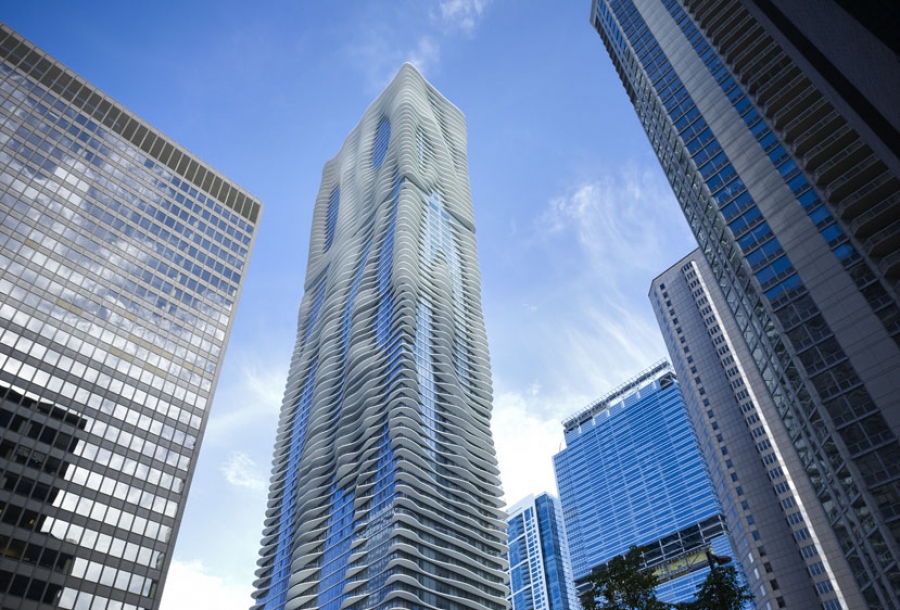
- Physics for architects – needed to understand the forces that can impact the building at various points
- Advanced building technology – useful for informing ways to integrate technology to improve building quality and efficiency
- Graphic communication – allows designer to create a visual representation/argument of the building from chosen perspectives.
- Digital drawing/fabrication – would allow designer to visually represent building digitally and allow greater experimentation with its components.
- Urban planning – yields understanding of how the building fits within its urban context.
- Sustainable architecture – building is LEED certified
- Structures – provides understanding of materials that can be used to build the various forms embodied by the building
- Psychology – useful to consider how building design can influence inhabitants and their perceptions of the building
- Environmental systems – can inform the ways an architect chooses to tailor and set the mood of the spaces he/she creates.
ARCH 418 – Architecture, climate, and weather
The ability of architects to feature their work in a range of locations, some of which are impacted by more intense climates than others, warrants an appreciation of the climatic forces that govern each location. This course not only teaches students how to design architecture made to withstand various climate elements and weather events, but also how to incorporate these elements into their work in ways that can enhance the spaces created. While it may be sufficient to build a structure that can cope with the fast-blowing winds, how can the architect use the wind to their advantage to make spaces more intriguing or pleasant for users? The primary goal of this course is to improve individual understanding of climatic elements as these can impact architecture and how architects can work with these elements to create pieces that suit and even place emphasis on the context where their architectural work is situated, be it coastal regions or on the edges of mountains. As a mid-level course, the student should possess fundamental abilities and understandings related to visual representation and building structures so they can apply them to context-dependent situations.
 Ife's 212 Understanding Architecture Section